
Heel pain Blog
The Most Asked Questions Collection

Heel Pain: Causes, Symptoms, Diagnosis & How to Fix It
Heel pain often comes from inflammation in the plantar fascia — the thick band connecting your heel bone to your toes. This condition, called plantar fasciitis, causes sharp or burning pain, especially when taking the first steps in the morning or after sitting for a long time. Other causes include Achilles tendinitis, bursitis, heel spurs, nerve compression, or stress fractures. Early diagnosis and consistent care prevent chronic damage and speed recovery.

Plantar Fasciitis: Symptoms, Causes & How to Heal Smartly
Plantar fasciitis is a degeneration or micro-tear in the plantar fascia, often manifesting as stabbing heel pain — especially on your first steps in the morning or after sitting. Conservative care (stretching, supportive shoes, night splints) helps 90% of people recover within 6–12 months. Persistent cases may need advanced therapies
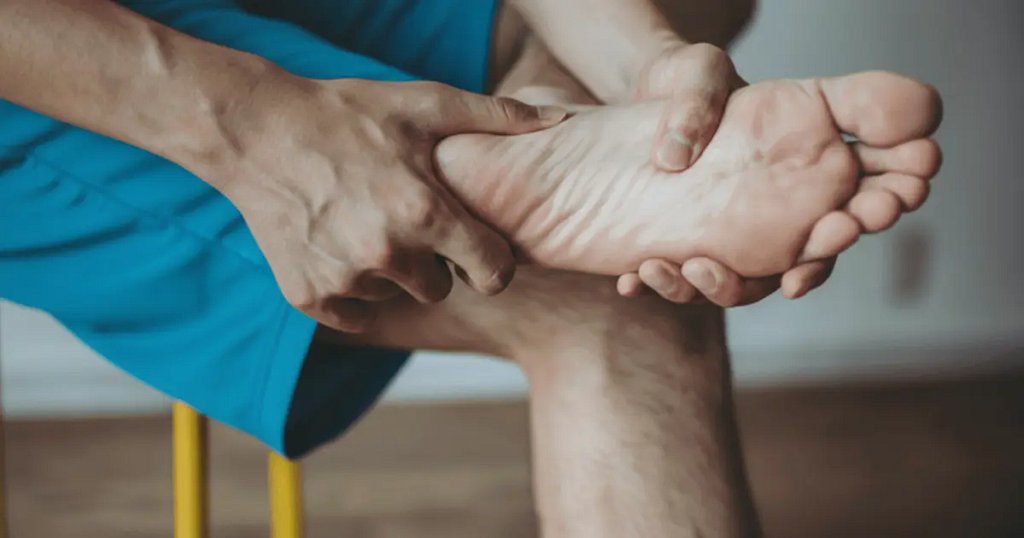
Sudden Foot Pain Without Injury — Hidden Causes Men Need to Know
Sudden foot pain without injury often comes from overuse, inflammation, nerve irritation, or early plantar fasciitis — not necessarily a trauma.
Men who stand, walk, or lift for long hours may develop this pain overnight or after rest, even without visible swelling or bruising.

Best Shoes for Plantar Fasciitis That truly help
The best shoes for plantar fasciitis are those that reduce strain on the plantar fascia through balanced cushioning (25–30 mm), stable heel control, a natural arch structure, a roomy toe box, and low-to-moderate heel drop.
Structure matters more than brand.
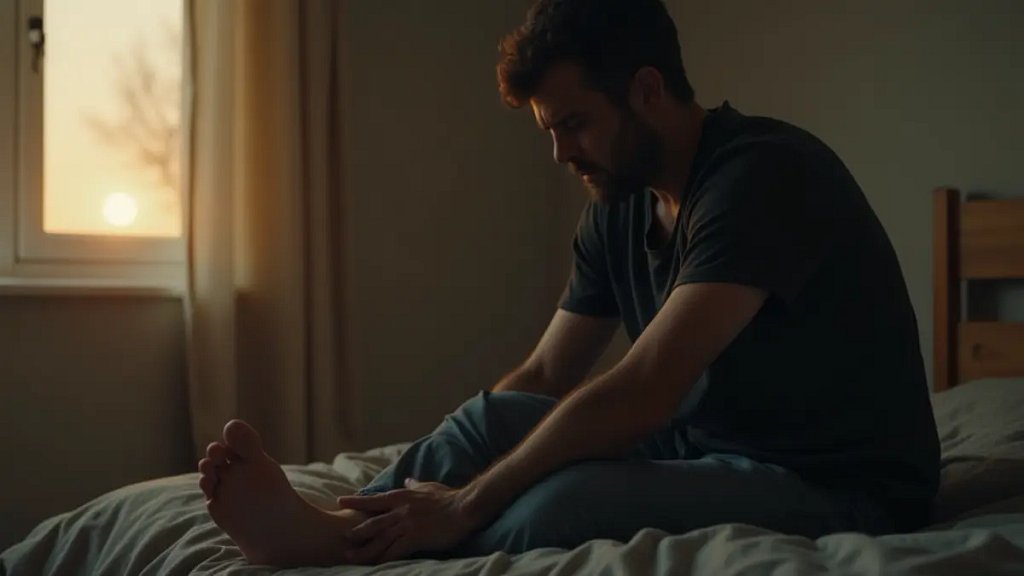
Why Does My Heel Hurt in the Morning?
Most often, heel pain in the morning happens because the thick band of tissue on the bottom of your foot (the plantar fascia) becomes tight overnight, then gets stretched when you take your first steps. That sudden tension causes micro-tears and pain, especially if you've been standing hard on your feet, wearing unsupportive shoes, or dealing with foot-arch issues.
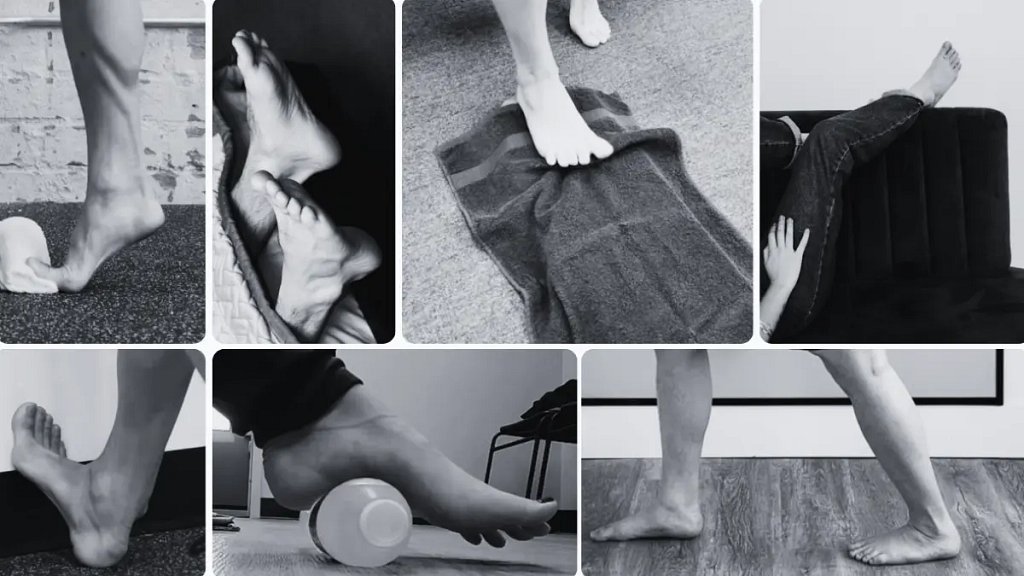
Plantar Fasciitis Exercises PDF (Structured Routine)
If you've already looked up plantar fasciitis exercises online, you've seen the same advice everywhere:
Stretch your calves, Roll your foot, Do toe curls, Do heel raises
The problem is not the exercises. The problem is sticking with them long enough for your body to change. Most men start strong for 3-7 days… Then life gets heavy, routine slips, and the pain returns.
So we built something different: A recovery routine that runs even when motivation is gone. A system you don't have to think about — you just follow.

How to Relieve Foot Pain in 30 Seconds - A Simple Method That Really Helps
You can relieve foot pain in 30 seconds by rolling your foot over a cold water bottle.
Place a frozen bottle under your arch and roll gently from heel to toes.
The cold numbs pain signals, while the pressure loosens tight fascia, giving fast, temporary relief from plantar fasciitis and heel pain.

Does Plantar Fasciitis Go Away? - A Clear, Realistic Answer for Men Dealing With Heel Pain
No — plantar fasciitis does not simply "go away on its own." It improves when the way the foot is used, loaded, and supported changes. If nothing changes, the pain often becomes chronic. This isn't about being unlucky or getting older. It's about how much load the plantar fascia carries throughout your day — and whether your muscles and habits support it or work against it. This is the part most generic medical articles don't explain.

Can Heel Pain Be a Sign of Diabetes?
Yes — diabetes can be linked to heel pain, but usually in an indirect way. If you have diabetes (or risk factors for it), several diabetes-related problems can produce discomfort in the heel or the rest of the foot.

Can Heel Pain Cause Back Pain? The Surprising Connection Explained
Heel pain doesn’t always stay in the foot. Learn how plantar fasciitis, poor posture, and biomechanics can cause back pain — and take a free self-evaluation to check your symptoms.

Can Heel Pain Be Gout ?
Heel pain can be confusing. Some people immediately think 'gout,' while others hear about plantar fasciitis. Both can cause discomfort, but which one is more likely behind your pain?

Can Heel Pain Be Caused by Sciatica?
Yes. Heel pain can be caused by sciatica. When the sciatic nerve is irritated or compressed in the lower back, it can send referred pain down the leg and into the heel. This type of heel pain often feels different from Plantar fasciitis and may not improve with foot-only treatments.

How to Cure Plantar Fasciitis in One Week
Plantar fasciitis doesn’t heal overnight — but with the right daily actions, you can reduce pain significantly in one week and start real recovery.

Is Heel Pain a Sign of Cancer
Heel pain is almost never a sign of cancer. In the overwhelming majority of cases, heel pain is caused by plantar fasciitis, mechanical overload, footwear issues, nerve irritation, or age-related tissue changes. Cancer causing heel pain is extremely rare and is usually associated with persistent, worsening pain, swelling, night pain, and other systemic warning signs.

Heel Pain After Running: Why It Happens, What It Means, and How Hardworking Men Can Finally Fix It
Heel pain after running is usually caused by overuse injuries such as plantar fasciitis, Achilles tendinitis, fat pad irritation, or biomechanical issues like tight calves and poor shoe support. It often improves with rest, stretching, strengthening, and changing footwear or running technique.

What Does Plantar Fasciitis Feel Like? A Clear, Honest Explanation for Men Living on Their Feet
Plantar fasciitis typically feels like a sharp, stabbing, or burning pain in the bottom of the heel, most noticeable during the first steps in the morning or after resting. The pain often improves as you move, but returns after long standing, walking, or sitting.
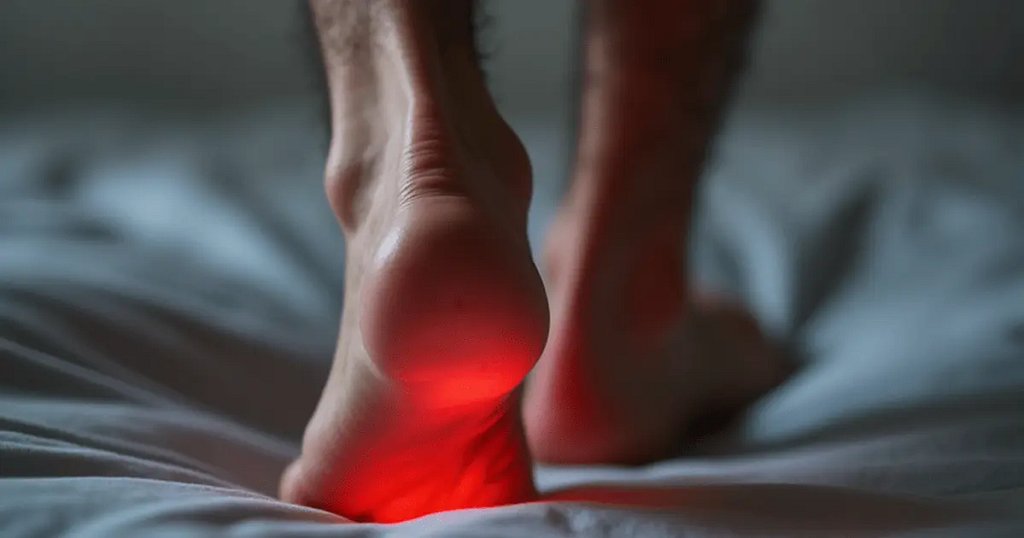
How Long Does Plantar Fasciitis Last? Recovery Timeline
Every step shouldn't feel like a test of willpower. Yet for many hardworking men, heel pain turns simple moments — getting out of bed, walking into work, playing with kids — into quiet battles. If you're searching for how long does plantar fasciitis last, you're not just asking about time. You're asking when life feels normal again.

Does Plantar Fasciitis Cause Heel Pain?
Yes. Plantar fasciitis is the most common cause of heel pain, especially pain felt at the bottom of the heel that is worse with the first steps in the morning or after rest.
It occurs when the plantar fascia becomes overstressed and irritated, leading to stabbing or aching heel pain that can worsen over time if ignored.

Do I Have Plantar Fasciitis? Take This Quick Quiz
If you feel heel pain during your first steps in the morning, pain that eases with movement but returns later in the day, you may have plantar fasciitis.
The fastest way to know is not guessing or Googling endlessly — it's taking a short do I have plantar fasciitis quiz that evaluates your symptoms, habits, and pain patterns.

Plantar Fasciitis Treatment at Home: A Structured Recovery Plan That Actually Works (2026 Guide)
The most effective plantar fasciitis treatment at home combines:
- Daily calf and plantar fascia stretching
- Relative rest (load management, not total inactivity)
- Supportive footwear
- Progressive strengthening (especially heel raises)
- Symptom control with ice when needed
When followed consistently, most men improve within 6–12 weeks — without injections or surgery.
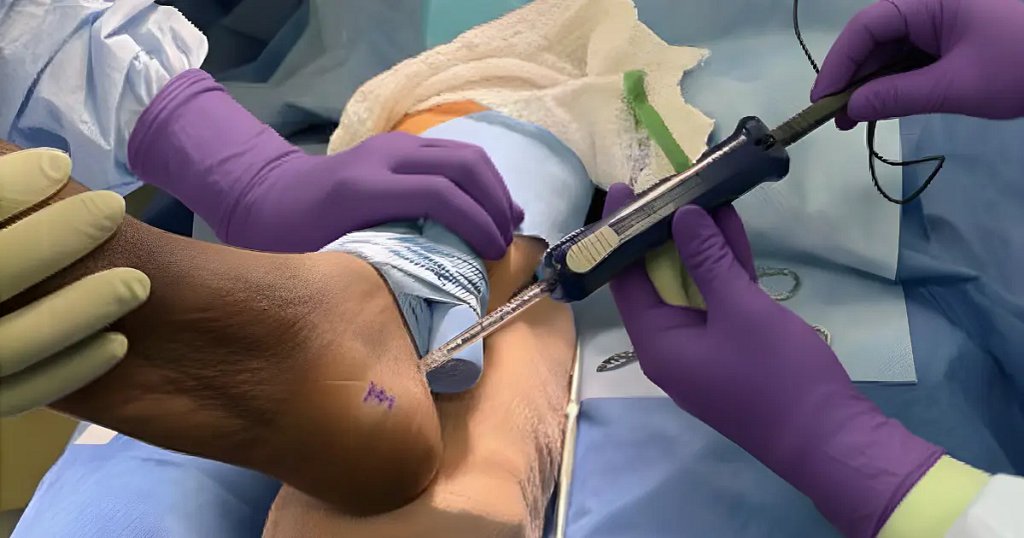
Plantar Fasciitis Surgery: Recovery Time, Pain Level, Success Rate & What to Expect
Plantar fasciitis surgery is rarely required.
Over 90% of cases improve with structured conservative treatment. Surgery is typically considered only after 6–12 months of failed non-surgical care and persistent, disabling heel pain.